Colorful Floral Garden
First Impressions: A Breath of Spring in Stitch Form
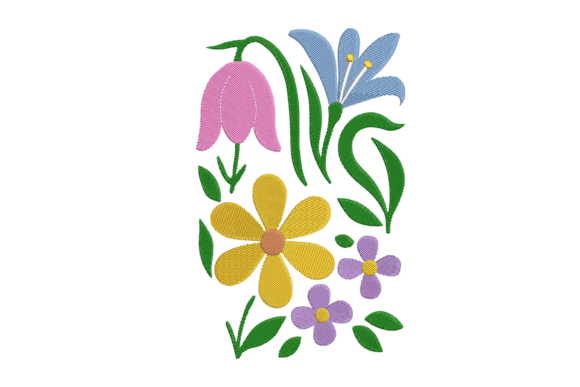
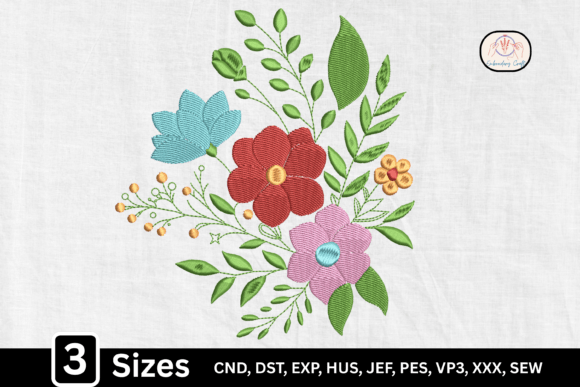
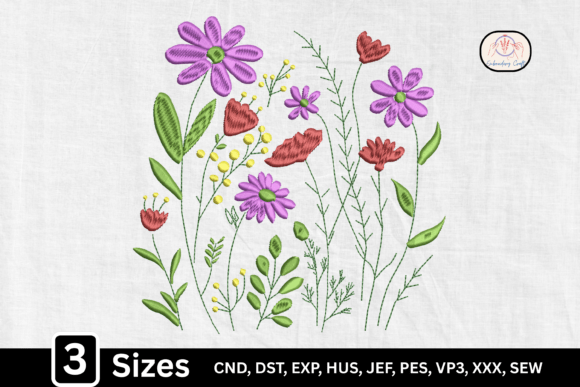
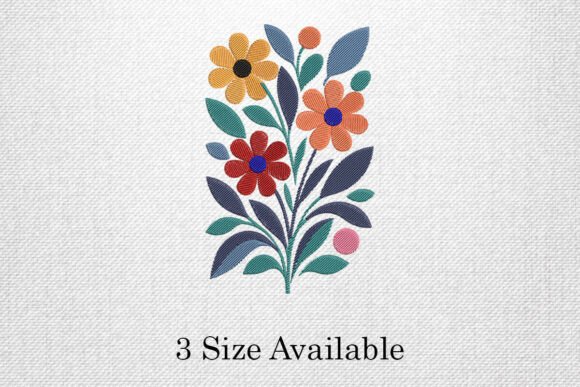
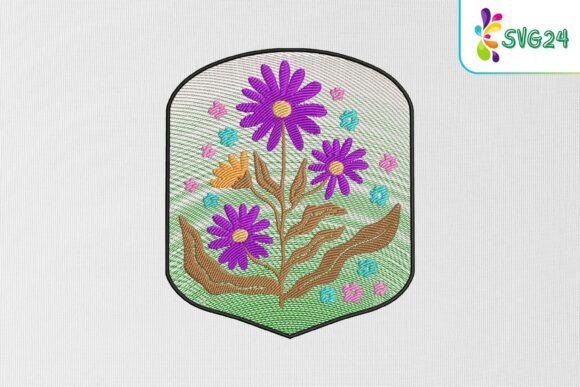
When I opened Colorful Floral Garden for the first time, I didn’t just see a bouquet—I felt a mood shift. It’s light without being airy, detailed without feeling fussy, and vibrant without veering into visual noise. The purple, yellow, and blue blooms aren’t arranged in rigid symmetry; they lean, overlap, and breathe like real flowers spilling from a sun-warmed garden bed. Delicate green leaves curl at the edges—not as afterthoughts, but as intentional rhythm-makers. As an embroidery designer who’s stitched hundreds of floral motifs, I immediately knew this wasn’t just another filler design. It’s got presence. And presence matters—especially when you’re turning fabric into something people want to hold, wear, or gift.
Real-World Test: That Custom Tote Bag You’ve Been Planning
Last week, I prepped Colorful Floral Garden for a client’s limited-run embroidered tote bag—linen-cotton blend, medium weight, natural undyed base. No prints, no distractions—just clean fabric and intention. I chose a 4.5” hoop size (standard for most mid-size bouquets), layered tear-away stabilizer underneath, and tested thread colors on scrap first. The yellow pop against the cream background? Crisp. The purple petals held their shape with satin stitch definition, and the blue accents read clearly even at 12 inches away. What stood out wasn’t just how it stitched—it was how it landed. Customers paused. They smiled. One asked, “Is that hand-drawn?” That’s the quiet win: Colorful Floral Garden reads handmade, not machine-made. It elevates the tote from utilitarian to keepsake.
Where It Shines—and Where It Needs Thought
Colorful Floral Garden is a natural fit for spring/summer apparel and home goods—but context changes everything. On a soft cotton sweatshirt? Gorgeous. The fill stitches settle cleanly into the knit, and the color contrast pops without overwhelming. On a baby onesie? Yes—but go light on stabilizer and confirm your satin stitch tension isn’t pulling the delicate neckline. For embroidered patches? Absolutely—its balanced density holds up well in heat-seal or sew-on formats. As a pillow cover centerpiece or tea towel motif? Ideal. Its organic shape avoids the “centered-and-stiff” trap many bouquet designs fall into.
That said, proceed with care on: stretchy fabrics (pre-stabilize thoroughly), dark fabrics (test thread brightness—some yellows mute on navy), curved surfaces like caps (scale down slightly or reposition to avoid distortion), and thin fabrics like voile (add cut-away backing to prevent show-through). Avoid cramming it into tiny hoops under 3”. Some leaf tips and petal edges rely on fine running stitch detail—those can blur or skip if stitch density isn’t respected or if the file hasn’t been optimized for low-ply thread.
Design Judgment: More Than Just Pretty Petals
This isn’t just about aesthetics—it’s about perception. A well-executed Colorful Floral Garden signals care. It tells your Etsy buyer you understand balance, color theory, and textile behavior. It tells your boutique client you’re invested in brand cohesion—not just slapping a design on fabric. When used on personalized gifts (think: baby’s first spring blanket or a wedding kitchen towel set), it adds emotional resonance. People don’t buy flowers—they buy memory, season, warmth. This design delivers that quietly.
For craft businesses, its versatility is a quiet asset. Use it as-is for ready-to-ship items, layer it with monogram initials for custom apparel, or pair it with simple running-stitch borders for holiday embroidery kits. It works in printable mockups too—the color story translates cleanly to digital previews, helping buyers visualize before they click “add to cart.”
Practical Designer Notes Before You Stitch
Before committing to your first production run—or uploading to your digital shop—do these six things:
- Test on scrap fabric that matches your final product’s weight and weave.
- Check thread color contrast across all three main tones—especially yellow on light backgrounds and purple on dark.
- Review stitch density: dense fill areas should lie flat, not pucker. If your machine hesitates, consider reducing density slightly in software (if licensed for editing).
- Confirm hoop size compatibility—and whether the design fits comfortably within your frame without awkward re-hooping.
- Inspect small details under magnification: leaf veins, petal edges, and negative space between blooms should be clean, not jagged or over-digitized.
- Test black-and-white mockups and compare performance on both light and dark fabric swatches—this reveals clarity issues no color preview catches.
And one non-negotiable: verify licensing. If you’re selling finished products or reselling the digital embroidery file, make sure Colorful Floral Garden permits commercial use. Many Bouquets category designs are labeled for personal use only—don’t risk your shop’s reputation over a line in the terms.
Final Thought: Not Just Another Embroidery File
Colorful Floral Garden earns its place because it behaves like a thoughtful design—not a decorative afterthought. It respects fabric. It rewards careful stitching. It connects with people beyond the surface. Whether you’re an Etsy seller building a seasonal collection, a small shop owner curating nursery decor, or a hobbyist stitching heartfelt gifts, this embroidery design doesn’t shout. It invites. And in a crowded market of machine embroidery files, that kind of quiet confidence is rare—and valuable.