Floral Feather Embroidery Design
A Practical Review for Small Business Merch & Branded Patches
As an embroidery designer who’s digitized and stitched thousands of commercial projects—from café aprons to boutique tote bags—I approached the Floral Feather Embroidery Design with both creative curiosity and business pragmatism. This isn’t just another floral motif—it’s a machine embroidery design built for storytelling: boho-chic, nature-inspired, and richly layered. But does it translate from screen to stitch—and more importantly, from stitch to small business impact? Let’s break it down.
First Impression: Friendly, Artistic, and Brand-Ready
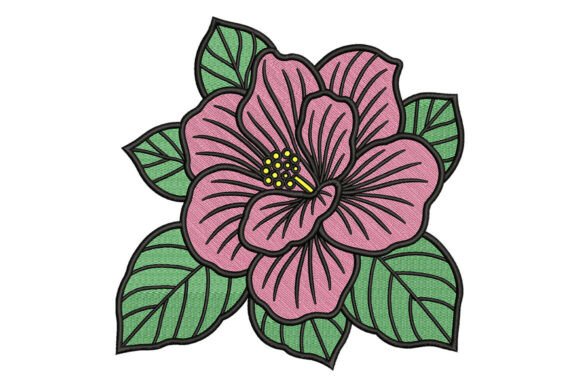
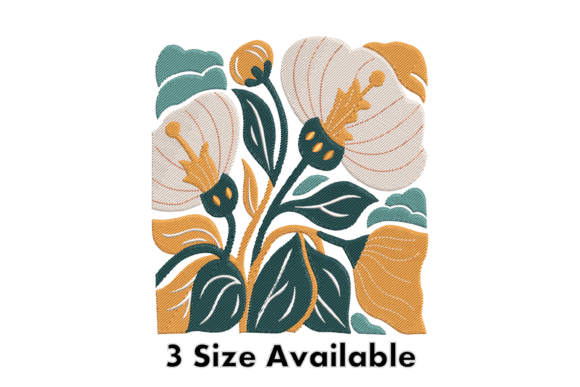
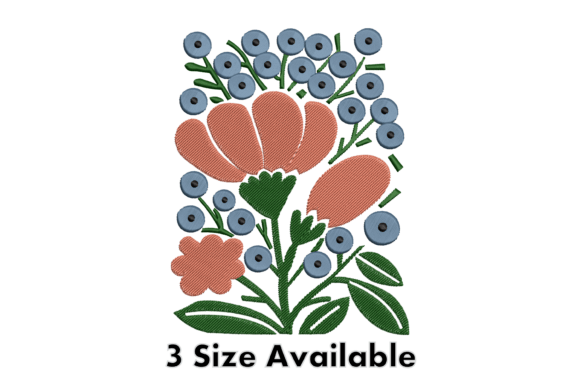
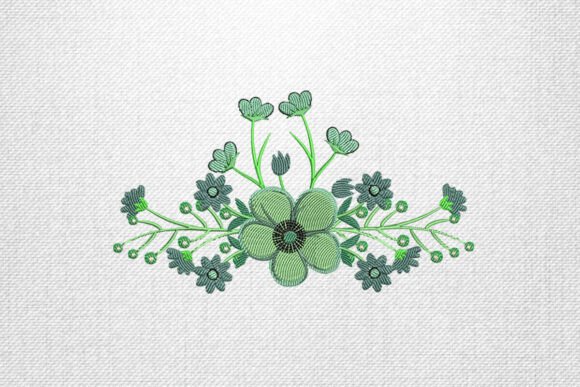
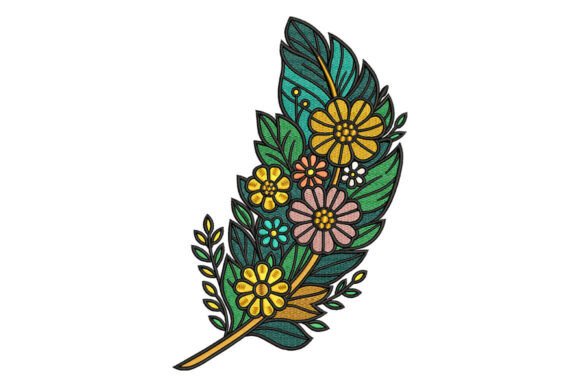
The title alone—Floral Feather Embroidery Design—immediately signals warmth and intention. It doesn’t feel generic or clip-art-like. Instead, it reads as handmade but polished: the kind of embroidery file that elevates a local florist’s apron or a pet brand’s custom cap without shouting for attention. The description—“a vibrant feather filled with colorful flowers and lush green leaves… intricate details and bold stitching”—confirms its visual personality: elegant yet approachable, artful but grounded. That duality is gold for small businesses trying to balance authenticity with professionalism.
Where It Shines in Real Business Use
This design excels where brand visibility meets tactile quality:
- Embroidered patches: Perfect for sew-on or iron-on application on tote bags, denim jackets, or staff uniforms—its balanced composition holds up even at 2.5"–3" width.
- Apron embroidery: Positioned above the pocket or centered on the chest, it adds artisanal charm to cafés, bakeries, and craft studios—reinforcing a “made-with-care” ethos.
- Cap embroidery: Works beautifully on structured front panels (think cotton twill or chino caps), especially when paired with minimalist text like a shop name in clean sans-serif.
- Tote bag design: Scales well for medium-to-large placements—ideal for boutique merchandise, farmers’ market giveaways, or Etsy-branded customer gifts.
- Product packaging accents: When stitched onto fabric tags, linen pouches, or reusable produce bags, it subtly reinforces brand identity without overwhelming function.
It also bridges categories: though listed under Single Flowers, its feather framework gives it narrative weight—making it more memorable than standalone blooms. As an Embroidery file, it’s inherently versatile across apparel, accessories, and branded soft goods.
Where to Use It Thoughtfully
Not every surface is equal—and this design’s intricacy demands smart placement:
- Avoid ultra-small patch sizes (<2"): fine floral details and leaf veins may blur or stitch poorly; always test at intended scale before bulk production.
- Cautious on highly curved surfaces (like low-profile caps or tapered sleeves): dense fill areas may pucker without proper stabilizer and tension calibration.
- Dark uniforms need contrast testing: With lush green leaves and colorful flowers, thread color selection is critical—especially on navy or charcoal fabrics.
- Frequent-wash items demand stability: High stitch density in the feather quill or flower centers requires tear-away + cut-away stabilizer combo on lightweight cottons or textured linens.
- Avoid pairing with tiny lettering: Its visual richness competes with delicate fonts—opt for clean, bold typography if adding text.
How It Strengthens Brand Identity & Customer Trust
In a sea of stock logos and generic icons, the Floral Feather Embroidery Design functions as a quiet differentiator. Its organic flow suggests craftsmanship—not automation. For handmade brands, Etsy sellers, and local creatives, that perception directly impacts perceived value: customers associate detailed embroidery with care, time, and intentionality.
When used consistently across touchpoints—aprons, tote bags, staff caps—it builds visual consistency without rigidity. Unlike rigid monograms or geometric marks, this design breathes with your brand’s seasonal shifts: pair it with earthy threads for fall, bright citrus tones for summer pop-ups, or muted sage for spring launches. That flexibility strengthens recognition while keeping your messaging fresh.
And critically—it invites engagement. A customer running their fingers over the raised texture of the feather’s spine or the dimensional petals on a tote bag isn’t just seeing your logo—they’re feeling your brand’s tactile promise. That sensory connection deepens trust far beyond what a printed label ever could.
Essential Designer Notes Before You Stitch
If you're sourcing this as a digital embroidery file for commercial use, here’s what I recommend—every time:
- Test in black and white first: Simplify thread colors to assess contrast, balance, and legibility before committing to full palette.
- Verify small-patch performance: Resize to your smallest intended use (e.g., 1.75" wide) and check for stitch merging or loss of definition.
- Review thread color contrast on your target fabric swatch—not just on screen. Greens and purples often shift dramatically on dark backgrounds.
- Inspect spacing between elements: Tight gaps between petals and feather barbs can cause nesting or skipped stitches on low-tension machines.
- Confirm hoop size compatibility: Does it fit comfortably within your standard hoops? Oversized designs increase re-hooping risk and alignment errors.
- Test on real fabric + stabilizer combo: Especially for textured materials like canvas, burlap, or slubbed linen—what works on polyester may not hold on natural fibers.
- Create a printable mockup for client approval—include stitch count estimate, thread colors, and placement guide to set expectations early.
- Compare beside existing design assets: Does it harmonize with your current logo, typography, and color system—or does it require subtle tweaks?
- Confirm commercial licensing before applying to products for resale. Not all digital embroidery files permit unlimited small business merch use.
The Floral Feather Embroidery Design isn’t just decorative—it’s a strategic tool. When applied intentionally, it transforms everyday items into brand ambassadors: soft, sincere, and unmistakably yours. Whether you're stitching for a neighborhood florist, launching a handmade pet line, or refreshing your studio’s uniform, this machine embroidery design delivers both aesthetic appeal and commercial resilience—if you respect its detail, test its limits, and let its nature-inspired rhythm guide your choices.