Floral Vine Frame: A Designer’s Real-World Embroidery Review
First Impressions: Whimsy with Purpose
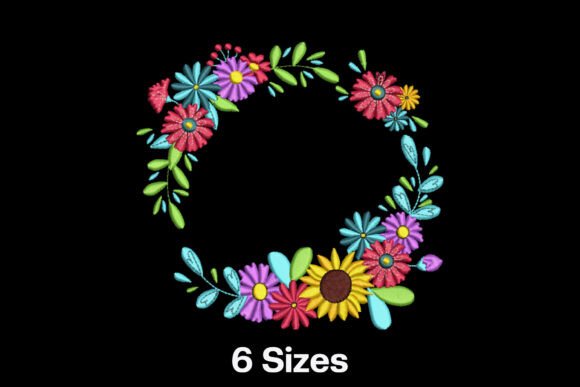
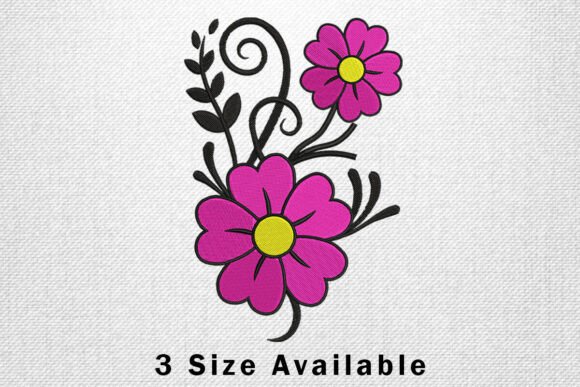
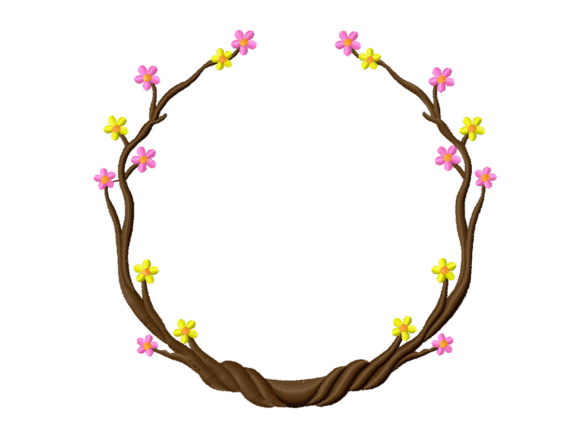
When I opened the Floral Vine Frame embroidery file, I didn’t just see a floral wreath—I saw intention. It’s not overly fussy or rigidly symmetrical; instead, it flows like a hand-drawn sketch translated into stitch. The vines curl organically, leaves taper naturally, and blossoms vary subtly in size and orientation. That looseness gives it warmth—perfect for handmade products where authenticity matters more than perfection. As a designer who regularly selects machine embroidery designs for client work and my own craft business, I immediately pictured it on a linen tea towel, a cotton tote bag, or the chest of a soft baby onesie. It feels personal—not mass-produced.
Real-Life Test: Stitching It onto a Linen Tote Bag
Last week, I used Floral Vine Frame to embroider a set of custom linen tote bags for a local boutique. The fabric was medium-weight, slightly textured, and light beige. I chose a simple black thread for contrast and paired it with tear-away stabilizer underneath and light cut-away on top. The result? Clean satin-stitched petals, smooth fill-stitched leaves, and graceful running-stitch vines that held their shape without stiffness. Customers responded instantly—several asked if the design was hand-drawn first. That’s the mark of a strong machine embroidery design: it reads as intentional, not mechanical.
Where It Shines (and Where It Needs Thought)
- Custom apparel: Works beautifully on sweatshirt fronts and t-shirt backs—especially when centered or placed asymmetrically near a hem. Avoid tight curves like sleeve cuffs unless you reduce size and re-hoop carefully.
- Baby embroidery & nursery decor: Its gentle scale and organic rhythm make Floral Vine Frame ideal for onesies, burp cloths, and pillow covers. Just skip dense satin areas on ultra-thin fabrics—opt for lighter fill stitch density if your machine allows.
- Holiday embroidery & personalized gifts: I’ve stitched it onto kitchen towels for Mother’s Day bundles and added subtle gold thread for Christmas aprons. It reads festive without being literal—no holly or snowflakes needed.
- Etsy seller & small shop product: As a digital embroidery file, it’s versatile enough to support multiple mockups—a single Floral Vine Frame can preview well on mugs, patches, and even printable gift tags. That flexibility saves time when building listings.
Design Limits You Should Know Before Hooping
This isn’t a one-size-fits-all embroidery file—and that’s okay. Floral Vine Frame leans toward medium-to-large hoop sizes. On a 4x4 hoop, the outer vines get clipped or compressed, losing their lyrical flow. I’d recommend at least a 5x7 for full impact. Also, avoid using it straight on dark, heavy fabrics like corduroy or thick denim without testing stabilizer layers first—the fill stitches can sink and blur detail. On stretchy knits (think baby bodysuits), use a lightweight cut-away + topping combo to prevent puckering around vine curves.
And while the design avoids tiny lettering or micro-details, some inner leaf veins are rendered in fine running stitch. Those won’t read clearly on textured terrycloth or heavily brushed fleece. For tea towels or bath linens, stick to smoother cotton weaves—or simplify those inner lines manually before stitching.
How It Shapes Perception—of Your Brand, Your Craft, Your Product
When customers see Floral Vine Frame on a finished product, they don’t just register “flowers.” They sense care, attention to line quality, and a quiet confidence in the maker’s eye. That translates directly to perceived value: handmade products with thoughtful embroidery assets like this consistently command higher pricing on Etsy and at craft fairs. It also supports brand consistency—if your shop leans botanical, earthy, or slow-made, this design reinforces that tone across tote bags, patches, and holiday gifts without repeating the same motif.
For commercial embroidery shops, Floral Vine Frame is a reliable anchor design: easy to pair with monograms, adaptable to seasonal thread palettes (mint + cream for spring, rust + oat for fall), and legible at both 3-inch and 6-inch scales. It doesn’t overwhelm—just elevates.
Practical Designer Notes Before You Stitch
- Always test on scrap fabric first—especially if you’re using it on a new substrate like bamboo jersey or quilted cotton.
- Check thread color contrast early. This design relies on shape and rhythm, not bold outlines—so low-contrast threads (e.g., light sage on ecru linen) can mute its impact.
- Review stitch density. If your machine struggles with dense fills, consider reducing density by 5–10% in the leaf clusters—without sacrificing coverage.
- Confirm hoop size compatibility. If you only have a 4x4 hoop, resize thoughtfully—don’t just shrink; edit out outer vine ends to preserve balance.
- Inspect small details under magnification. Some versions of floral wreaths include delicate tendrils that may need trimming in editing software before stitching.
- Test black-and-white mockups—not just color. Does the silhouette hold up? With Floral Vine Frame, it does. That’s a sign of strong design structure.
- Use proper stabilizer. Light tear-away works for stable wovens; add a light topping for napped fabrics to keep vine lines crisp.
- Verify licensing before selling finished items or reselling the digital embroidery file. Since it’s listed as an embroidery design for real project use, confirm whether commercial use is included—many crafters overlook this until a marketplace flags it.
Final Thought: Not Just Another Floral Wreath
Floral Vine Frame stands apart because it behaves like a designer’s sketch—not a stock asset. It invites adaptation, rewards attention to fabric and thread choice, and carries weight without heaviness. Whether you're an Etsy seller prepping holiday inventory, a small shop owner branding reusable bags, or a hobbyist making personalized gifts, this embroidery file earns its place in your library—not as filler, but as a quietly confident voice in your creative toolkit.