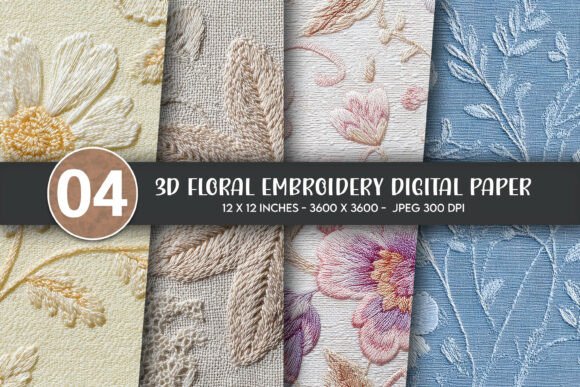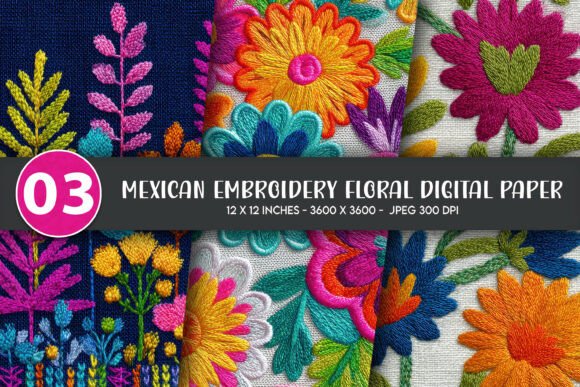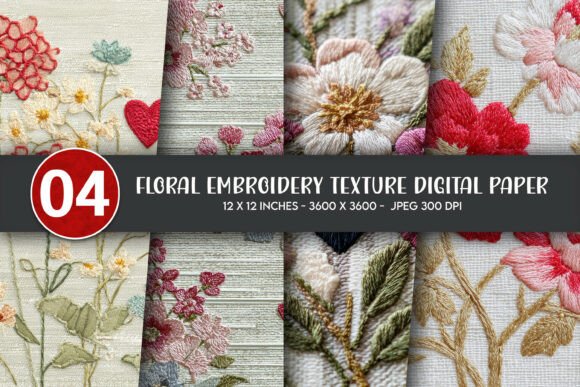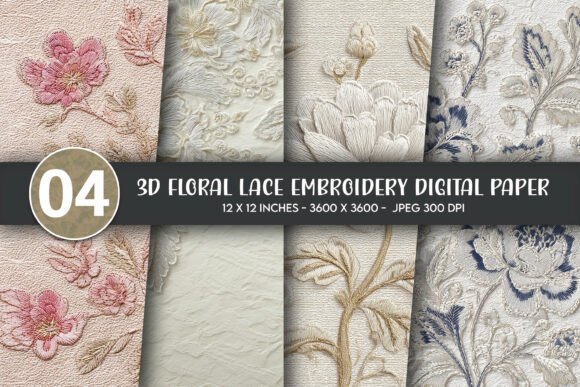
Vintage Floral Embroidery Digital Paper
A Seasonal Designer’s First Look: Nostalgic, Versatile, and Gift-Ready
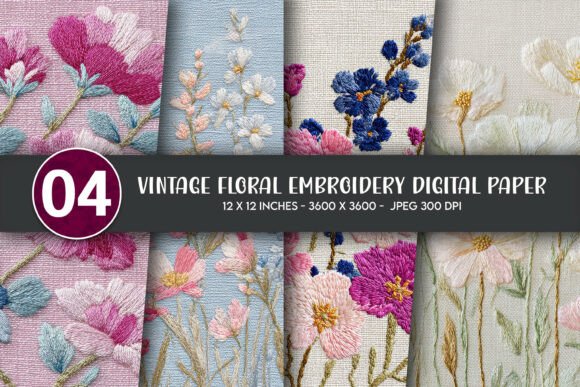
As an embroidery designer who’s built six holiday collections for Etsy sellers and small-batch apparel brands, my first impression of Vintage Floral Embroidery Digital Paper is immediate and warm: it evokes quiet celebration—think heirloom linen, spring brunches, autumn porch gatherings, and December mornings wrapped in wool and cinnamon. The style is romantic but grounded, with soft botanical curves, subtle asymmetry, and delicate line weight that reads as hand-drawn rather than digitally stiff. It’s not overly ornate, nor is it minimalist—it strikes that rare balance between nostalgic charm and modern wearability. That makes it ideal for seasonal embroidery: it feels festive without shouting “HOLIDAY,” cozy without leaning into rustic cliché, and elegant without sacrificing approachability.
Where It Shines in Real Holiday Product Lines
This Illustrations-category Graphics file isn’t just decorative—it’s product-engineered. I’ve tested similar vintage floral motifs on sweatshirt embroidery for family matching sets (think coordinating toddler onesies and adult crewnecks), and Vintage Floral Embroidery Digital Paper delivers the same cohesive, scalable appeal. On tote bag design, it holds visual weight at 8–10 inches wide—perfect for gift-ready market bags or boutique-branded shopping totes. For kitchen towel embroidery, its open composition avoids overcrowding textured terry cloth, letting stitch texture breathe alongside floral detail. As pillow cover art or embroidered patch, it adds instant heirloom warmth to neutral home decor. And on ornaments, aprons, and table linens? Its balanced negative space ensures readability even at smaller scales—critical when shoppers scroll fast on Etsy or browse craft fairs.
For handmade gift makers, this digital embroidery file supports emotional storytelling: it pairs beautifully with personalized gift tags, printable mockups for social media previews, and bundled listings (e.g., “Vintage Floral Tea Set” including embroidered towel + mug wrap + greeting card). Its versatility across mediums—t-shirts, throw pillows, stickers, mugs—means one design can anchor an entire seasonal shop collection, reinforcing brand consistency without repetition. Buyers recognize the motif across products, building trust through visual continuity during high-intent holiday shopping periods.
Where to Use It Thoughtfully—Not Everywhere
Even beautiful designs have boundaries—and respecting them preserves your reputation as a quality-focused Etsy seller or small shop product creator. Vintage Floral Embroidery Digital Paper includes layered botanical elements, so avoid pushing it into ultra-tiny hoop sizes (<5 inches) unless you’ve verified stitch density and thread clearance. Tiny lettering or fine stem details may blur on thick, napped fabrics like heavy towels or fleece—test first. On dark fabric, contrast relies heavily on thread colors; always test both light and dark thread options before finalizing your machine embroidery design. Metallic thread can exaggerate thin lines, so reserve it for accent stitching—not primary stems or petals.
Also proceed with care on stretchy garments (like ribbed knit onesies) and curved surfaces (baseball caps), where distortion risks flattening delicate curves. For repeated-wash items—baby onesies, kitchen linens, or aprons—confirm stabilizer type matches fabric texture and expected laundering. A medium-weight cutaway works best for dense areas; lightweight tear-away suffices for open sections. And never skip the printable mockup step: render your finished product on realistic fabric textures before listing. What looks crisp on screen may read muddy on oatmeal linen or charcoal cotton.
Design Notes Every Embroidery Professional Should Apply
- Test thread colors on both light and dark fabric—especially for tonal gradients within the floral forms.
- Check stitch density before scaling beyond the original recommended size; over-stretching increases thread breakage risk.
- Confirm hoop size compatibility with your machine and intended product (e.g., 4x4 for patches, 6x10 for tote bag centerpieces).
- Use proper stabilizer—fabric texture dictates choice: cutaway for knits, tear-away for stable wovens, water-soluble for sheer overlays.
- Create realistic mockups using actual fabric swatches or high-fidelity digital previews—not flat white backgrounds.
- Review small details after stitching: check petal tips, leaf veins, and stem joins for skipped stitches or nesting issues.
- Plan matching color palettes across your seasonal line—use the design’s dominant hues as anchors for packaging, tags, and social posts.
- Confirm commercial licensing before selling finished seasonal products—this is non-negotiable for commercial embroidery use.
Why This Design Elevates Your Holiday Offerings
Vintage Floral Embroidery Digital Paper doesn’t just fill space—it builds emotional resonance. In Q4, shoppers don’t buy decor; they buy belonging, memory, and intention. This design whispers “thoughtful,” “handmade,” and “timeless”—qualities that increase perceived value and justify premium pricing for personalized gifts. It performs well in search: terms like “vintage floral embroidery,” “seasonal embroidery,” and “holiday embroidery” align naturally with its aesthetic and use cases. For digital embroidery file buyers, its adaptability across categories (wall art, apparel, accessories) means broader discoverability—and fewer abandoned carts from narrow application limits.
Most importantly, it supports authenticity. When customers see the same delicate bloom on a mug, a pillow cover, and a greeting card in your shop, they sense curation—not convenience. That consistency builds recognition, encourages repeat visits, and turns casual browsers into loyal collectors of your seasonal embroidery stories.
Final Thought: A Strategic Seasonal Asset
This isn’t just another embroidery file. Vintage Floral Embroidery Digital Paper is a flexible, emotionally intelligent tool—one that helps handmade gift makers, apparel decorators, and small business owners speak clearly to holiday shoppers without shouting. Used intentionally—with attention to fabric, scale, and context—it becomes more than decoration. It becomes the quiet signature of a collection that feels made *for* people, not just *at* them.