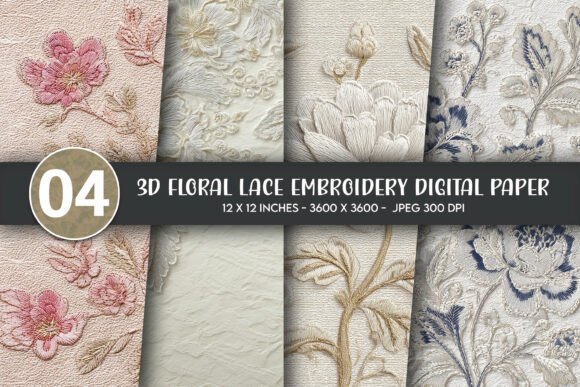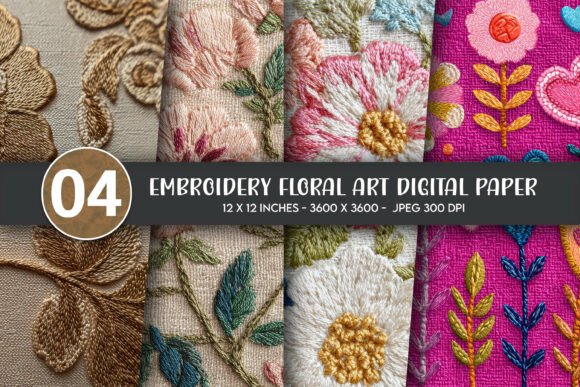
Embroidery Floral Art Digital Paper
A Seasonal Designer’s First Look: Warm, Timeless, and Gift-Ready
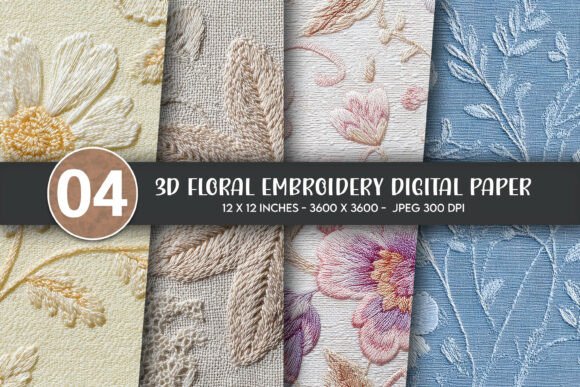
As an embroidery designer who’s built holiday collections for Etsy shops, craft fairs, and small-batch apparel lines for over a decade, I opened Embroidery Floral Art Digital Paper expecting charm—but what I found was versatility with quiet intention. This isn’t just another floral illustration; it carries a soft, romantic seasonal mood—think early December mornings, dried botanicals in mason jars, and heirloom-style gift wrapping. The line work feels elegant but approachable, the composition balanced enough for framing yet detailed enough to hold attention on a onesie or pillow cover. It leans into cozy nostalgia without veering into kitsch, and avoids overly trendy motifs that date quickly. That emotional resonance matters deeply when you’re curating products for holiday shoppers seeking meaning—not just decoration.
Where It Shines: Real Holiday Product Applications
I immediately pictured Embroidery Floral Art Digital Paper stitched onto heavyweight cotton sweatshirts for family matching sets—especially in muted sage, dusty rose, and cream thread. Its clean silhouette translates beautifully to tote bags for holiday markets, where legibility and visual impact matter at arm’s length. On kitchen towels? Yes—paired with subtle cross-stitch accents or as a single focal motif near the hem, it adds artisanal warmth without overwhelming utility. For baby items like onesies and burp cloths, the floral art reads gentle and refined, not cutesy—a win for modern parents choosing handmade gifts.
It also works exceptionally well for layered product bundles: imagine a set including a throw pillow cover, matching mug wrap (as printable graphic), and a greeting card—all anchored by the same floral motif. That consistency builds brand trust across touchpoints. As a digital embroidery file, it holds up in mockups for Instagram carousels and Etsy listings, giving buyers a cohesive, premium impression before they even click “add to cart.” And because it’s categorized under Illustrations and Graphics, it’s easy to adapt for printable holiday tags, sticker sheets, or iron-on patches—expanding your seasonal offering without designing from scratch.
Practical Considerations for Embroidery Execution
Before stitching, I always check three things: stitch density, hoop size compatibility, and stabilizer needs—and Embroidery Floral Art Digital Paper benefits from thoughtful prep. While the design is high-resolution and clean-lined, some inner flourishes may require medium-weight cutaway stabilizer on knits or stretchy fabrics like jersey sweatshirts. On dark fabric, test thread colors carefully: matte ecru or oatmeal tones read softer than stark white, preserving that cozy, hand-finished feel. Avoid using it on curved caps or tight seams unless you’ve confirmed its dimensions fit standard cap hoops—some floral elements extend outward and may need slight scaling down.
For dense textiles like thick kitchen towels or textured linen pillow covers, reduce stitch count where possible (if editing the file) or opt for satin-stitch outlines instead of fill-heavy versions. Tiny details—like delicate stems or fine petal edges—can blur after repeated washing, so reserve those for low-wear items like wall art or greeting cards unless you’re using premium threads and reinforcing wash instructions for customers. Also note: while it’s labeled for use on mugs and stickers, remember this is a digital embroidery file—those applications rely on its vector-ready clarity as a printable graphic, not machine stitching.
Seasonal Appeal & Buyer Psychology
Holiday shoppers don’t just buy products—they buy feelings. Embroidery Floral Art Digital Paper taps into the desire for calm, beauty, and intentionality amid seasonal busyness. Its understated elegance signals care and craftsmanship, elevating a simple tote bag or pillow cover into a personalized gift. That perceived value helps justify higher price points on Etsy or at craft fairs—especially when paired with natural fibers and thoughtful packaging. Because the motif is floral but not tied to one specific holiday (no holly, no snowflakes, no reindeer), it stays relevant from late fall through winter solstice and into early January—extending your product lifecycle. Buyers recognize it as part of a cohesive aesthetic, which strengthens repeat engagement and encourages add-on purchases (“I love this floral—I’ll take the matching pillow *and* towel”).
Designer Notes for Your Holiday Workflow
- Always test on both light and dark fabric—thread behavior changes dramatically, and contrast affects perceived detail.
- Confirm hoop size before digitizing or purchasing—if your machine uses 4x4 hoops, verify key elements fit comfortably within that boundary.
- Use appropriate stabilizer: tear-away for stable wovens, cutaway for knits, and water-soluble for delicate layers or lace overlays.
- Create realistic mockups—don’t just drop the design onto a flat template. Show it on a draped tote, a folded kitchen towel, or a pillow in natural lighting.
- Review small details post-stitch: zoom in on petal tips and stem junctions—what looks crisp on screen may feather slightly on fabric.
- Plan your color palette intentionally: pull 3–4 thread colors that harmonize with common holiday neutrals (oatmeal, charcoal, forest green, blush) for maximum flexibility.
- Double-check Creative Fabrica’s licensing details before selling finished commercial embroidery products—especially for physical goods like embroidered patches or apparel sold at scale.
Final Thoughts for the Seasonal Maker
Embroidery Floral Art Digital Paper isn’t a flashy, trend-chasing download—it’s a quietly confident tool for the thoughtful maker. It supports storytelling across product types, bridges digital and physical craftsmanship, and meets holiday buyers where they are: seeking authenticity, warmth, and heirloom energy in everyday objects. Whether you’re building your first Etsy holiday collection or refining a long-standing small shop product line, this floral art delivers consistent quality, emotional resonance, and real-world adaptability. Just remember: its strength lies in how you frame it—not just on fabric, but in experience. Stitch it with intention, present it with care, and let the floral art do the rest.