Floral Bow: A Craft Fair-Ready Embroidery Design
First Impression: Soft, Stylish, and Instantly Recognizable
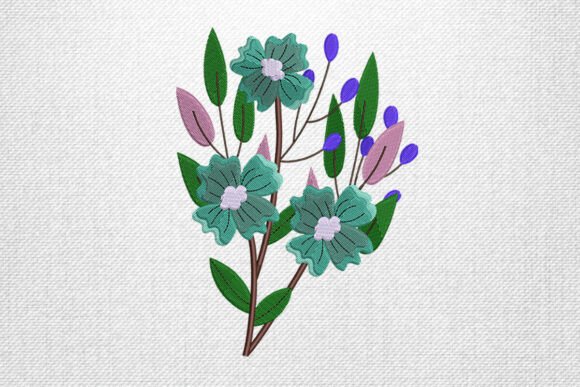
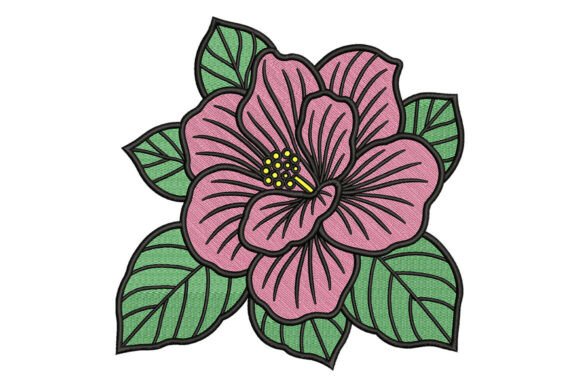
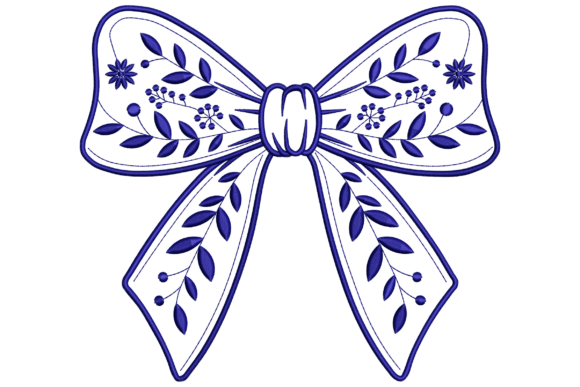
As an embroidery designer who’s prepped over 200 craft fair booths in the past decade, my first thought on Floral Bow is this: it lands right in the sweet spot between charming and commercially confident. The name alone cues a gentle, feminine energy—think cottagecore charm meets modern handmade polish. It’s not loud or cartoonish; it’s not minimalist or stark. It’s soft decorative, with implied movement and organic flow. That makes it ideal for customers browsing slowly, touching fabric, and seeking items that feel intentional—not mass-produced, but thoughtfully made. For Accessories and Embroidery sellers, that emotional resonance is half the sale before the price tag is even read.
Where Floral Bow Shines on Craft Fair Products
In real booth conditions—under warm tent lighting, surrounded by hand-poured candles and ceramic mugs—Floral Bow stands out most powerfully on these five items:
- Tote bag design: Centered on natural canvas or oat linen, it reads clearly from six feet away. The bow’s curve echoes the bag’s shape, creating visual harmony.
- Apron embroidery: Placed just above the pocket or along the bib edge, it adds personality without overwhelming utility. Buyers love aprons that feel like heirlooms—not logos.
- Tea towel embroidery: On tightly woven cotton or flour-sack linen, the floral elements soften the geometry of the towel while keeping focus on function. It photographs beautifully for Etsy listings.
- Embroidered patch: When turned into a sew-on or iron-on patch, Floral Bow becomes a versatile design asset—ideal for bundling, gifting, or upselling to makers who want to customize their own wares.
- Pillow cover accent: Small-scale placement (corner or lower hem) elevates a plain linen cover into a boutique-ready handmade product without competing with patterned fabric.
What Holds It Back—And How to Work Around It
Floral Bow isn’t universally foolproof—and that’s where experience matters. Its delicate curves and layered floral suggestion mean stitch density and fabric texture directly impact clarity. On thick terry cloth towels or heavily textured burlap, fine inner details may blur. On curved cap surfaces, distortion can flatten the bow’s dimension unless digitized with cap-specific underlay and pull compensation. And on dark fabric? You’ll need high-contrast thread colors—especially in the center knot—to preserve definition.
Crucially: Floral Bow does not scale down well below 3 inches wide. Tiny lettering or micro-petals aren’t implied in the description—and attempting to shrink it risks muddy fills and skipped stitches. Keep it at 3.5–5 inches for maximum impact as a focal point, or use it as-is (no resizing) for consistent batch production.
Photography, Listings, and Online Conversion
This design is highly photogenic. Its balanced composition and organic symmetry translate cleanly to printable mockups and flat-lay Etsy listings. Unlike dense geometric motifs, Floral Bow doesn’t require heavy retouching to look crisp on screen—meaning less editing time and faster listing turnover for small shop owners. Paired with neutral backdrops and natural light, it conveys handmade quality instantly. Bonus: its versatility across categories (towels, totes, patches) lets you reuse one strong photo set across multiple product pages—efficient for digital embroidery file sellers building a cohesive brand library.
Booth Display Strategy
At a crowded market, Floral Bow performs best when shown *in context*. Hang a linen apron with the design stitched near the waistband. Drape a tea towel over a vintage pitcher. Pin a patch beside a stack of blank denim pouches. Customers don’t buy embroidery files—they buy the feeling of what the design *makes possible*. That tactile storytelling is where Floral Bow earns its place front-and-center on your table.
Production Notes Every Embroidery Designer Should Check
Before stitching your first craft fair product, treat Floral Bow like any commercial embroidery asset—test it rigorously:
- Run a test on scrap fabric matching your final product (e.g., terry cloth for towels, twill for caps).
- Verify thread contrast—especially if using ecru or charcoal base fabrics.
- Review spacing between floral elements and bow loops; tight gaps may collapse on low-stabilizer runs.
- Confirm hoop size compatibility—some bow-heavy layouts require larger hoops than standard 4×4.
- Inspect stitch density in petal layers; overly dense fills increase breakage risk on fast-paced production days.
- Use cutaway stabilizer for stretchy knits (like t-shirt blanks), tear-away for stable wovens (tea towels, pillow covers).
- Create at least one real mockup—not just digital—and hold it in natural light. Does the bow “pop” or recede?
- Compare how it reads across three fabric colors: light, medium, and dark. Adjust thread selection accordingly.
- Finally, confirm commercial licensing status. If selling finished products (not just the embroidery file), ensure your license permits resale of physical handmade products.
Final Verdict: A Reliable, Repeatable Craft Fair Performer
Floral Bow isn’t flashy—but it’s trustworthy. It delivers consistent visual appeal across categories, scales gracefully for both small accents and statement pieces, and supports brand consistency without demanding trend-chasing. For Etsy sellers juggling listings, craft fair sellers packing last-minute samples, and boutique makers curating seasonal collections, it’s a low-risk, high-return embroidery file. It won’t shout across the aisle—but it will make customers pause, touch, smile, and reach for their wallet. In handmade markets, that quiet confidence is worth more than volume. Just remember: let the fabric, stabilizer, and thread do their part—and Floral Bow will do the rest.