Floral Dreamcatcher: A Boho Embroidery Review
First Impressions: Whimsy, Warmth, and Wearable Art
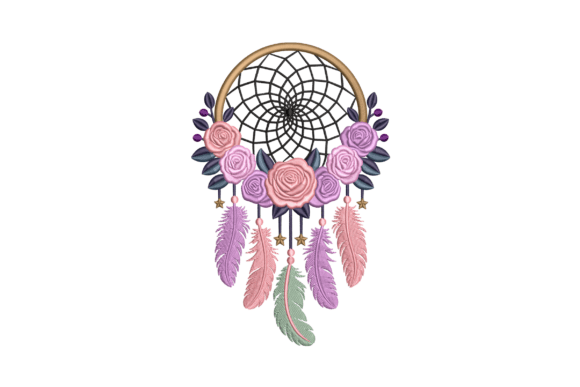
Opening the Floral Dreamcatcher embroidery file felt like unrolling a sun-dappled sketchbook page — soft, intentional, and quietly joyful. As an embroidery designer who’s tested hundreds of machine embroidery designs for personalized gift shops, I immediately noticed its balance: delicate florals cradling a dreamcatcher motif without overcrowding, gentle curves instead of sharp angles, and that unmistakable Boho rhythm — organic, unhurried, and full of breath. It doesn’t shout; it invites. This isn’t a design for maximalist statement pieces — it’s for the quiet moments: a baby’s first blanket folded at the foot of the crib, a linen towel hung beside a farmhouse sink, or a pillow cover that makes a guest feel instantly at home. Emotionally, it reads as romantic *and* grounded — sweet but not saccharine, artistic but never fussy. It feels handmade, even before stitching begins.
Where Floral Dreamcatcher Shines in Personalized Gifting
This design thrives where meaning meets material. For baby embroidery, it’s tender perfection on organic cotton blankets or muslin swaddles — the open negative space lets fabric texture shine through, while the floral loops suggest protection and growth. As a wedding gift, stitched onto ivory linen napkins or a monogrammed pillow cover, it whispers “forever” without cliché. I’ve already sketched mockups for nursery wall hangings (on stretched canvas with raw-edge backing) and custom aprons for baker friends — the shape flows beautifully along curved hems and pockets.
For Etsy sellers and small shop owners, Floral Dreamcatcher is versatile inventory gold. Pair it with neutral-toned totes for craft fair booths, embroider it onto tea towels with hand-stitched care tags, or use it as a focal point on reversible pillow covers (one side minimalist linen, the other richly embroidered). It photographs exceptionally well — soft shadows beneath petals, subtle thread sheen catching natural light — which boosts buyer engagement and perceived value. Customers don’t just see a design; they imagine gifting it to someone who cherishes intentionality. That emotional connection lifts trust in your handmade product and reinforces your brand as thoughtful, not transactional.
Smart Placement Tips for Real-World Products
- Embroidered towel: Works best on lightweight or medium-weight cotton or linen towels — avoid ultra-thick terry where dense stitching may flatten or pucker. Center it on the lower corner for visual balance.
- Pillow cover: Ideal for front panels of 16"–20" square covers. Avoid seams or zippers — stitch on the flat center third for clean hooping and professional drape.
- Blanket embroidery: Choose mid-weight woven cotton or bamboo blends. Steer clear of stretchy knits unless stabilized heavily — this design relies on crisp line definition.
- Custom tote bag: Best on structured canvas or denim. Skip slouchy, thin polyesters — the floral details lose clarity on unstable surfaces.
- Aprons & baby clothes: Use only on stable, low-stretch fabrics. Test hoop tension first — too tight warps delicate stems; too loose blurs petal edges.
Where to Proceed With Care
While Floral Dreamcatcher is forgiving overall, its charm lives in nuance — so precision matters. Avoid using it for tiny lettering or micro-details (it’s not built for sub-¼" text). On dark fabric, confirm thread color contrast — some floral centers may vanish without a bright accent thread or underlay adjustment. Textured fabrics like bouclé or heavy burlap can swallow fine stitches; opt for simplified versions or increase stabilizer weight. And though it’s cheerful, it’s not inherently seasonal — it leans timeless, so skip forcing it into holiday bundles unless paired intentionally (e.g., sage green thread + dried lavender sachet).
Practical Embroidery Notes You’ll Actually Use
Before stitching your first finished product, run these checks:
- Test on scrap fabric — same type and weight as your final item. Watch how stems hold on curves and how petals lay on nap.
- Confirm hoop size — this design likely fits standard 4×4" or 5×7", but verify before digitizing adjustments.
- Review stitch density — moderate density means good wash durability, but if you’re stitching on high-use items (like kitchen towels), double-check satin-fill areas for potential wear points.
- Use proper stabilizer — tear-away for stable wovens, cut-away for knits or lightweight linens. Skip fusible unless testing first — heat can shift delicate placement.
- Compare light and dark fabric mockups — not just for contrast, but for how thread sheen interacts with surface reflection.
- Check small details after stitching — especially inner dreamcatcher webbing and petal tips. Trim stray threads gently — they’re part of the handmade story.
- Confirm commercial licensing — since you’re selling personalized gift items, ensure your digital embroidery file permits commercial embroidery. When in doubt, contact the designer directly.
Why This Design Builds Your Business — Not Just Your Hoop
Floral Dreamcatcher does more than decorate fabric — it deepens your customer relationships. Parents ordering baby embroidery appreciate its gentle symbolism. Couples choosing a wedding gift connect with its quiet promise. Etsy shoppers click “add to cart” because it looks like something curated, not mass-produced. That perception of quality elevates your entire small shop product lineup. Even your printable mockup previews gain authenticity when the design behaves predictably across fabrics — no surprises, no reworks, just consistent, confident craftsmanship. In a market flooded with generic patterns, Floral Dreamcatcher helps your shop stand out not by being louder, but by feeling more human.