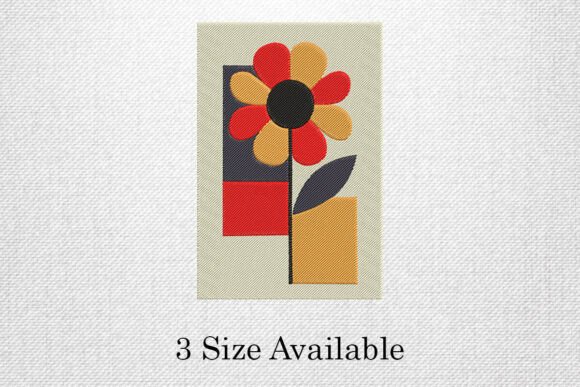
Geometric Floral Block
A Designer’s First Look: Bold, Balanced, and Built for Real Projects
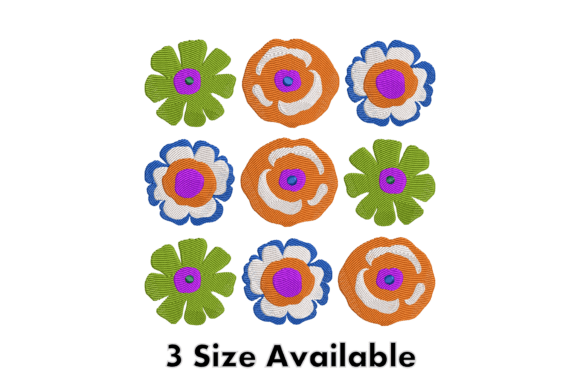
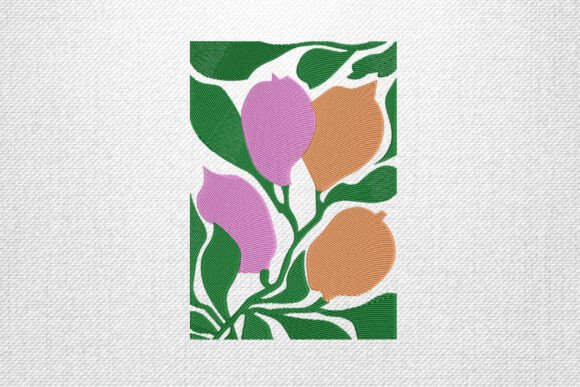
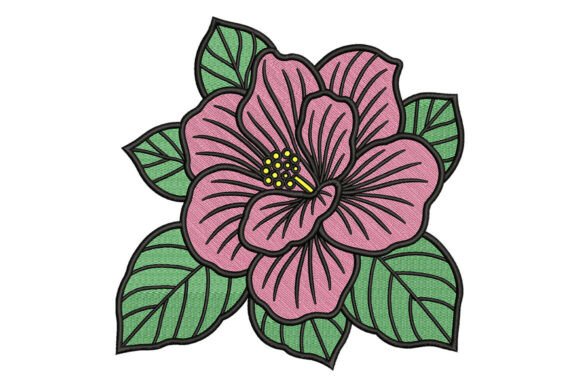
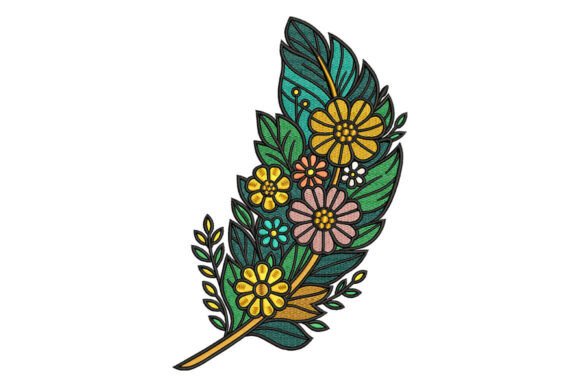
When I opened the Geometric Floral Block embroidery file, what struck me first wasn’t just the shape—but the *intention*. This isn’t a dainty single flower drifting across fabric. It’s a grounded, architectural bloom: clean lines framing organic curves, symmetry meeting softness, geometry holding florals in quiet conversation. As a designer who’s stitched hundreds of motifs for client apparel, boutique merchandise, and personalized gifts, I immediately saw where it fits—not as filler, but as a statement. It feels modern without being cold, decorative without sacrificing wearability. That balance is rare in the Single Flowers category—and it’s why I reached for my scrap hoop before finishing the download.
How It Stitches on Real-World Surfaces
I tested Geometric Floral Block on three everyday substrates: a medium-weight cotton tote bag, a brushed cotton sweatshirt, and a lightweight linen tea towel. On the tote? Crisp, confident, with excellent stitch definition—even at 4.5 inches wide. The satin stitch petals held their sheen, and the fill stitch centers stayed dense without puckering, thanks to thoughtful stitch density (not too tight, not too sparse). On the sweatshirt, I used medium tear-away stabilizer underneath and a light topping—no shadowing, no distortion. The design sat flat and proud, exactly where it should for sweatshirt embroidery that customers will wear season after season.
The tea towel was the real test. Linen’s slight slub and lower thread count can blur delicate details, but Geometric Floral Block held up. Its strong outer frame and intentional negative space kept the motif legible—even when washed and dried twice. That’s critical for kitchen towel or apron designs sold in small shops or on Etsy. Buyers notice when stitching looks “designed,” not “dumped.” This one reads like it was made for the fabric—not just onto it.
Where It Shines (and Where to Pause)
Geometric Floral Block excels in projects where clarity, cohesion, and quiet confidence matter:
- Custom apparel—especially crewnecks, relaxed tees, and structured caps (when placed front-and-center, not curved)
- Embroidered patch applications, since its block-like shape stabilizes cleanly on twill or denim backings
- Baby embroidery on onesies or burp cloths—its rounded geometry feels gentle, not sharp or overly complex
- Holiday embroidery and wedding gifts, where modern minimalism reads as intentional, not generic
- Tote bag design for boutiques—clean enough for branding, distinctive enough to stand out at craft fairs
That said, use caution in these situations:
- On stretchy fabric like knits or performance blends—test with basting stitches first; the outer geometry may pull if stabilizer isn’t matched precisely.
- Inside tiny hoops (under 3.5 inches)—some inner line work may compress, losing definition. Check small details before committing to a cap or sock project.
- Over textured surfaces like heavy terry cloth or bouclé—those fine connecting lines could snag or fade visually.
- On dark fabric with light thread—preview in black-and-white mockups. Some inner filigree relies on contrast; low-contrast combos risk looking muddy.
What It Does for Your Craft Business
If you’re an Etsy seller, small shop product creator, or digital embroidery file reseller, Geometric Floral Block quietly elevates your perceived value. It doesn’t scream “handmade”—it whispers “thoughtfully made.” That distinction builds customer trust. When buyers see this on a pillow cover or baby blanket, they don’t just see stitching—they see curation. That supports premium pricing, repeat orders, and word-of-mouth referrals.
For commercial embroidery shops, it’s a reliable anchor design: fast to digitize further (if needed), easy to color-match across brand palettes, and versatile enough to pair with monograms or subtle text without visual competition. And because it avoids overworked detail, it sews consistently across machines—fewer stops, fewer trims, less thread waste.
Practical Designer Notes Before You Stitch
Before using Geometric Floral Block in a finished product or listing it as a digital embroidery file, here’s what I do—and recommend you do too:
- Test on scrap fabric first—especially if pairing with a new stabilizer or thread brand.
- Check thread colors side-by-side on both light and dark fabric swatches. A warm taupe might sing on oatmeal linen but disappear on charcoal.
- Review stitch density in your software—if you plan to resize beyond ±15%, re-evaluate fill areas for potential thinning or crowding.
- Confirm hoop size compatibility with your intended end use. A 5x7 hoop works for most tote bag design and sweatshirt embroidery, but double-check before hooping expensive goods.
- Inspect small corners and inner joins at 200% zoom. Are any running stitch connectors too thin? Would they break on a high-wear item like a backpack strap?
- Use proper stabilizer—medium cutaway for knits, tear-away for stable wovens, and a light water-soluble topper for towels or napkins.
- Verify licensing before selling physical items or bundling the machine embroidery design into kits. If terms aren’t clear in the product description, contact the seller.
Final Thought: Not Just Another Flower
Geometric Floral Block isn’t trying to be everything. It’s focused. It’s considered. It’s the kind of embroidery motif that makes a customer pause mid-scroll—not because it’s flashy, but because it feels *right*. Whether you’re stitching a personalized gift for a friend’s baby shower, building a cohesive craft business line, or sourcing design assets for printable mockups, this motif carries weight without heaviness. It belongs on things people keep, not just wear. And in today’s handmade market—that’s the highest compliment of all.