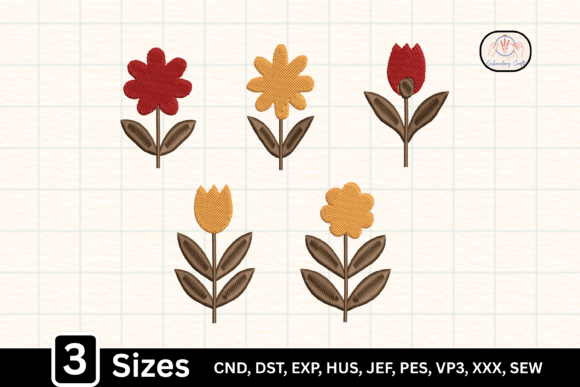
Simple Floral Line Art Minimalist Flower
A Seasonal Designer’s First Look: Quiet Elegance, Wide Appeal
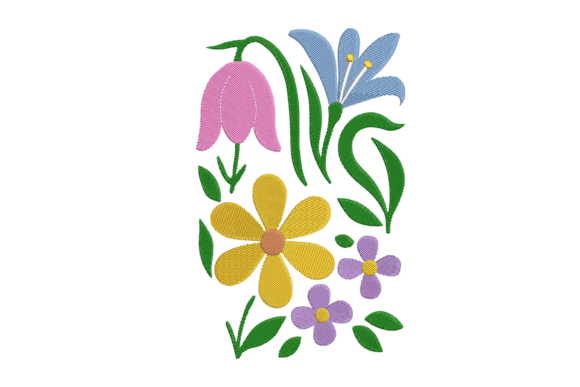
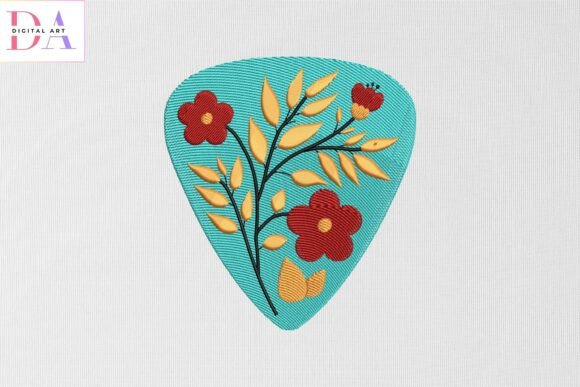
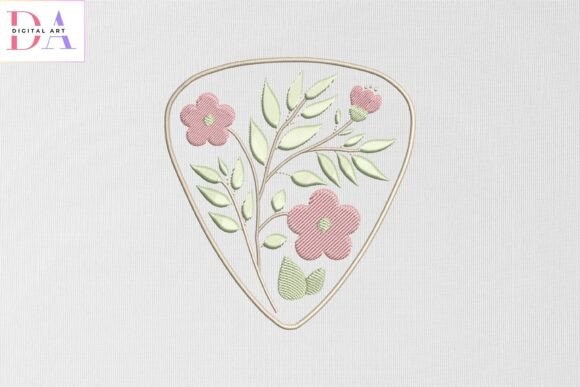
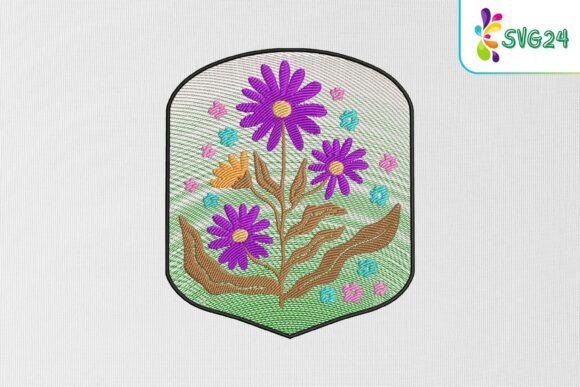
As an embroidery designer who’s built seasonal collections for over a decade—from Easter linen sets to Christmas sweater lines—I opened Simple Floral Line Art Minimalist Flower expecting clean lines and intentional restraint. What I found was something more: a design that breathes. It carries the softness of spring mornings and the hushed reverence of winter window light—neither overtly festive nor strictly botanical, but quietly resonant across holidays and home moments. Its emotional tone is calm, confident, and deeply wearable. It reads as modern and premium without sacrificing warmth, making it ideal for handmade gift makers who want sophistication without stiffness.
Why This Design Fits Real Holiday Product Scenarios
Simple Floral Line Art Minimalist Flower isn’t just pretty—it’s product-ready. On sweatshirt embroidery, it lands with gentle authority: no bulk, no visual noise, just graceful presence. As a tote bag design, it elevates everyday carry into something giftable—especially when paired with neutral thread colors on natural canvas or oatmeal linen. For kitchen towel embroidery or pillow cover applications, its open line work avoids stiffness, letting fabric drape naturally while still reading clearly from across a room.
This design shines in curated gift bundles: imagine three embroidered tea towels—one with Simple Floral Line Art Minimalist Flower, one with a matching leaf motif (easily created by mirroring or rotating), and one with minimalist stem—packaged in a kraft box with twine. On Etsy, that bundle performs strongly because it signals cohesion, care, and seasonal intention—not just decoration. At craft fairs, it stands out amid busier motifs: shoppers pause, touch the fabric, and recognize quality stitching potential.
It also supports family matching items without looking costumed. A child’s apron, a parent’s tote, and a grandparent’s pillow cover—all stitched with the same floral line art—create subtle kinship. And for social media previews? Its simplicity renders beautifully in printable mockups and flat-lay photos. No need for heavy filters or staging: just natural light, clean backgrounds, and the quiet confidence of the design itself.
Where to Use It Thoughtfully—Not Everywhere
Like any strong seasonal embroidery file, Simple Floral Line Art Minimalist Flower has boundaries. Its delicate stems and fine petals demand attention to context. Avoid using it at extremely small hoop sizes—below 3 inches—unless you’ve tested stitch density thoroughly; thin lines can vanish or break on dense fabrics like thick terry cloth or tightly woven denim. On dark fabric, always test thread colors first: soft heather gray or ecru may disappear where charcoal black or navy would anchor the shape beautifully.
Be mindful with stretchy garments (like ribbed knits or lightweight jersey) and curved caps: the line art’s continuity relies on stable tension. Use cutaway stabilizer—not tear-away—for best results on apparel. Metallic thread introduces unpredictability in sheen and breakage; reserve it for special limited editions, not core holiday inventory. And on items destined for repeated washing—baby bibs, kids’ napkins, or kitchen linens—confirm the file’s stitch count aligns with durability standards before digitizing or purchasing.
How It Lifts Seasonal Value—and Why Buyers Notice
Holiday embroidery isn’t just about timing—it’s about emotional resonance. Simple Floral Line Art Minimalist Flower taps into a growing shopper preference: understated meaning over loud messaging. It feels personal without requiring customization—making it perfect for personalized gift seekers who want elegance *and* ease. That duality builds customer trust: when someone buys a pillow cover stitched with this design, they’re not just buying decor—they’re investing in quiet intention.
Visually, it supports brand consistency across product types. Whether used on an embroidered patch, a table linen set, or a baby onesie, the motif remains instantly recognizable—no logo needed. That recognition boosts engagement during high-intent holiday shopping periods, especially when shoppers scroll past dozens of listings. And because it belongs to the Bouquets category yet avoids literal realism, it sidesteps trend fatigue. Unlike hyper-seasonal motifs (think snowflakes or pumpkins), this floral line art stays relevant from Valentine’s Day through Mother’s Day and into early fall.
Practical Notes Every Embroidery Designer Should Confirm
- Test thread colors on both light and dark fabric—a single shade behaves differently across substrates.
- Check stitch density before scaling: minimalism shouldn’t mean sparse coverage—ensure fill areas (if any) and satin outlines hold integrity at your target size.
- Confirm hoop size compatibility with your most-used machines—and verify whether the digital embroidery file includes multiple hoop options.
- Use proper stabilizer based on fabric texture: cutaway for knits, medium-weight tear-away for stable wovens, and water-soluble for sheer overlays.
- Create realistic mockups before listing—show the design on actual product types (not just white squares) so buyers visualize gifting and display.
- Review small details after stitching: fine tips and connecting lines must remain legible post-embroidery, especially on textured surfaces like terry or burlap.
- Plan matching color palettes across your seasonal shop: pair this floral line art with muted sage, warm taupe, or soft clay tones for cohesive holiday collections.
- Confirm commercial licensing before selling finished products—this is non-negotiable for Etsy sellers and small shop owners building scalable seasonal embroidery lines.
Final Thought: A Design That Sells Because It Speaks
In a crowded marketplace of holiday embroidery, Simple Floral Line Art Minimalist Flower doesn’t shout—it invites. It gives small business owners flexibility without compromise, crafters clarity without complexity, and customers a sense of quiet luxury they’ll choose again and again. Whether you’re launching a limited-edition apron drop for Thanksgiving hosting or building a year-round botanical capsule for your handmade gift shop, this machine embroidery design earns its place—not as filler, but as foundation.